If you are thinking about a move to the South Bay, Redondo Beach often lands on the shortlist for one simple reason: it gives you a coastal setting without feeling one-note. You get beach access, active commercial districts, varied housing, and a daily rhythm that can feel laid-back or practical depending on where you live. If you want a clearer picture of what everyday life here actually looks like, this guide will walk you through the lifestyle, neighborhoods, housing mix, and tradeoffs. Let’s dive in.
Redondo Beach at a Glance
Redondo Beach is a compact coastal city with 71,576 residents, according to the 2020 Census. At 6.21 square miles, it packs a lot into a relatively small footprint, which helps give it a neighborhood-scale feel.
That smaller geography matters in daily life. Instead of feeling spread out, many parts of the city connect through a few distinct districts, outdoor spaces, and residential pockets that each have their own rhythm.
Two Lifestyles in One City
One of the easiest ways to understand Redondo Beach is to think of it as having two broad lifestyle zones. City planning documents often frame the city around South Redondo and North Redondo, and that distinction helps explain how the city feels block by block.
South Redondo feels beach-centered
South Redondo is where the waterfront shapes everyday life most directly. The pier, harbor, marina, and Riviera Village are all part of a more coastal, activity-focused setting where going for a walk, dining out, or spending time near the water can become part of your normal routine.
Riviera Village plays a big role in that experience. The city describes it as a walkable mixed-use district with small shops, restaurants, offices, low-rise buildings, sidewalk frontage, and outdoor dining. It is also described as the activity center of South Redondo.
North Redondo feels more inland and residential
North Redondo offers a different pace. City documents describe it as more inland and primarily residential, while still connected to major shopping and cultural anchors.
That means your day-to-day experience may feel a bit more centered on neighborhood streets, errands, and access to commercial corridors like Artesia Boulevard. It still connects well to the broader city, but it tends to read less like a waterfront district and more like a residential part of the South Bay.
Outdoor Living Is Part of Daily Life
In Redondo Beach, outdoor recreation is not just a weekend plan. It is built into the city’s layout and how many people move through the area.
The Strand shapes the coastal routine
The city says The Strand runs from South Redondo north to Santa Monica. It is used by walkers, cyclists, skateboarders, rollerbladers, wheelchair users, and people with strollers, which gives you a sense of how flexible and active this route is.
If you like the idea of fitting movement into your day, this is one of Redondo Beach’s biggest lifestyle draws. Whether you are heading out for a quick walk or a longer ride, the coastline supports that routine in a very visible way.
Bikeways add more ways to get around
The city’s open-space planning notes five miles of bikeways. That includes a Class I path along the beach promenade as part of the South Bay Bikeway and a Class II route through King Harbor and Harbor Drive.
For some residents, that means recreation. For others, it is also part of how they move between waterfront areas and nearby destinations.
Parks go beyond the beach
Redondo Beach also has notable outdoor spaces that are not just sand and ocean views. The city identifies Hopkins Wilderness Park, Seaside Lagoon, and Veterans Park as its three regional parks.
Hopkins Wilderness Park is an 11-acre natural preserve with camping, trails, habitats, and a visitor center. Seaside Lagoon is a 3.6-acre saltwater, sand-bottom swimming facility within King Harbor. Veterans Park sits above the promenade with views of the beach, pier, and harbor.
Shopping, Dining, and Everyday Errands
Redondo Beach does not spread its commercial activity evenly across every block. Instead, daily errands and going out tend to cluster in a few recognizable districts.
Riviera Village offers a small-town main street feel
If you want a walkable shopping and dining area, Riviera Village is one of the clearest examples in the city. The city’s land-use plan describes it as a small-town main-street environment with continuous sidewalk-fronting shops, diagonal on-street parking, outdoor dining, and a low-density commercial character.
That setup can make daily life feel convenient and social, especially if you enjoy being able to stroll to coffee, dinner, or small local businesses. It is one of the districts that gives Redondo Beach a distinct identity.
North Redondo has practical commercial anchors
North Redondo brings a different kind of convenience. The city highlights South Bay Galleria, a revitalized Artesia Boulevard, and the Redondo Beach Performing Arts Center as important anchors in this part of town.
For many residents, that supports a more practical routine. Shopping, dining, and cultural destinations are still part of daily life, but the setting feels more inland and less visitor-oriented than the waterfront.
The waterfront adds energy
The pier, marina, and harbor area add another layer to the city’s lifestyle. This area includes restaurants, bars, smaller shops, and an arcade, which creates a more active environment than a typical residential district.
That energy can be a plus if you enjoy being near activity and coastal attractions. It is also part of why South Redondo feels different from the more residential inland areas.
Housing in Redondo Beach Is More Varied Than Many Expect
A lot of people picture Redondo Beach as a city of single-family beach homes, but the housing mix is broader than that. Local housing data from SCAG shows a blend of detached homes, attached homes, smaller multifamily properties, and larger apartment buildings.
As of 2020, about 39.3 percent of housing units were single-family detached. Another 14.2 percent were single-family attached, 15.1 percent were in 2 to 4 unit buildings, 30.5 percent were in buildings with 5 or more units, and 0.8 percent were mobile homes.
You have multiple housing formats to consider
That variety matters if you are comparing lifestyle fit, maintenance, location, and price point. Depending on your goals, you may find condos, townhome-style properties, small multifamily buildings, or detached homes in different parts of the city.
For buyers, this means Redondo Beach is not a one-product market. For sellers, it also means value and buyer demand can vary quite a bit depending on location, property type, and how a home is presented.
Architectural style varies too
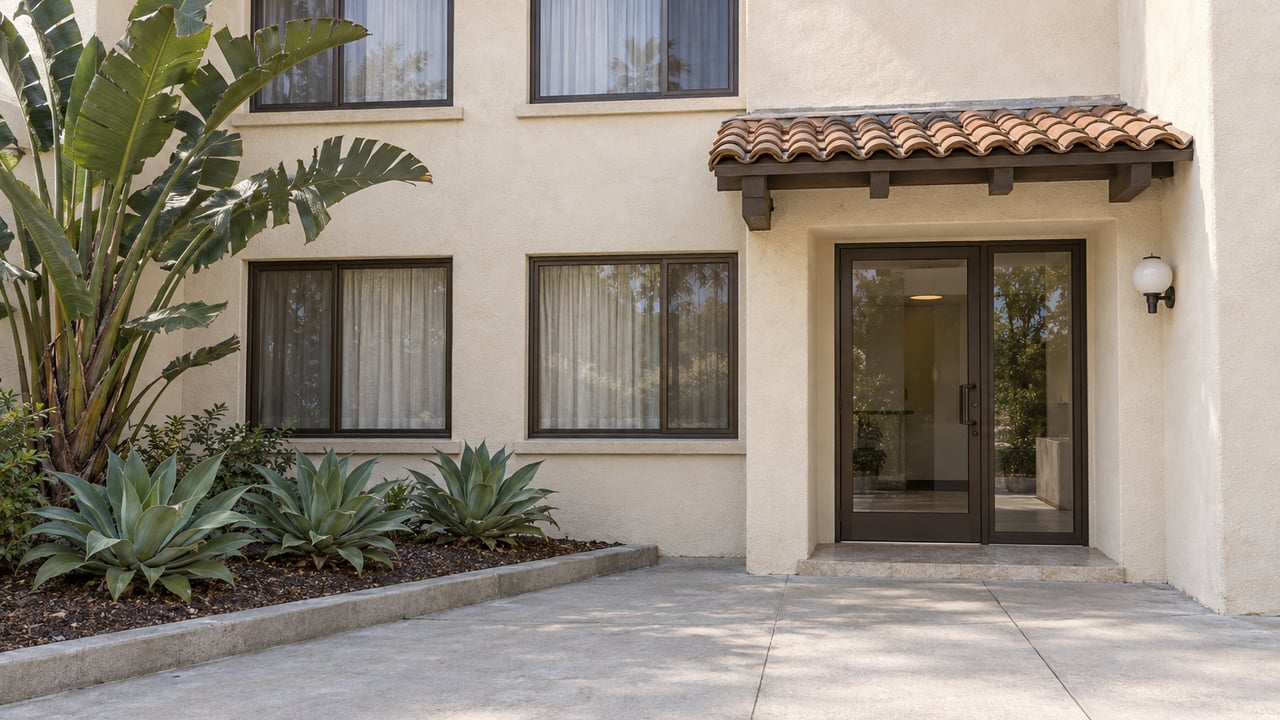
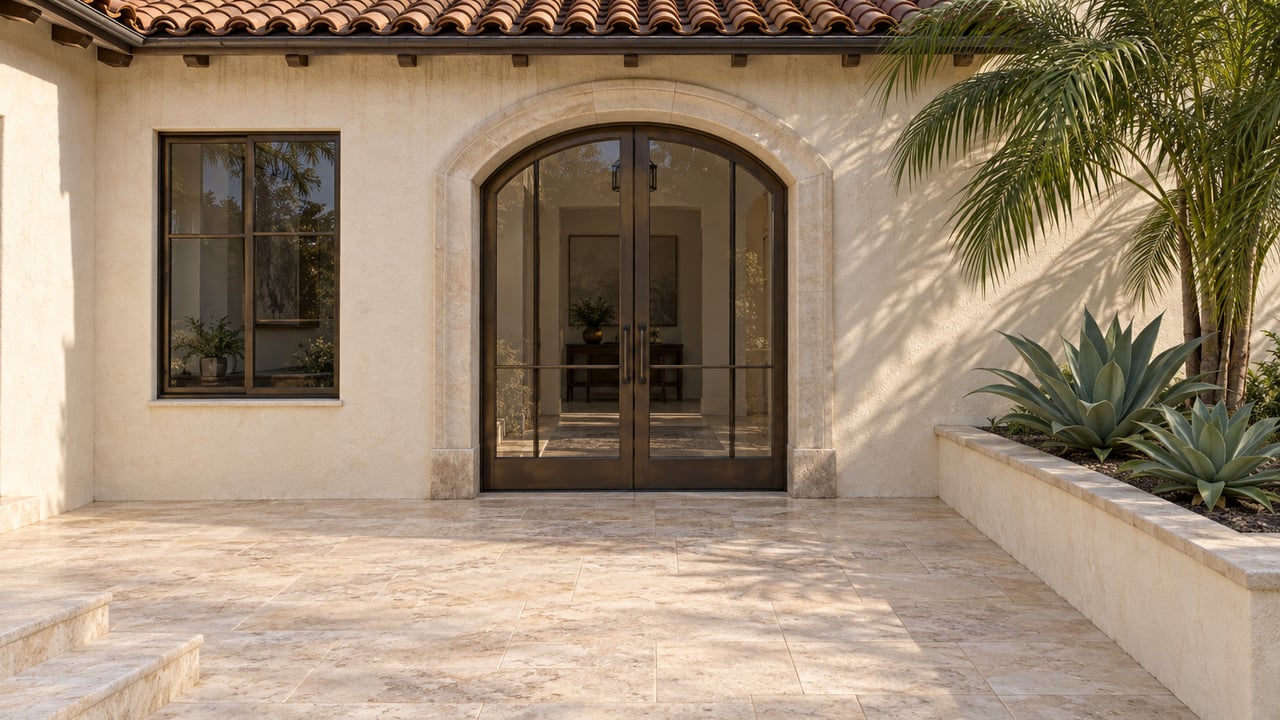
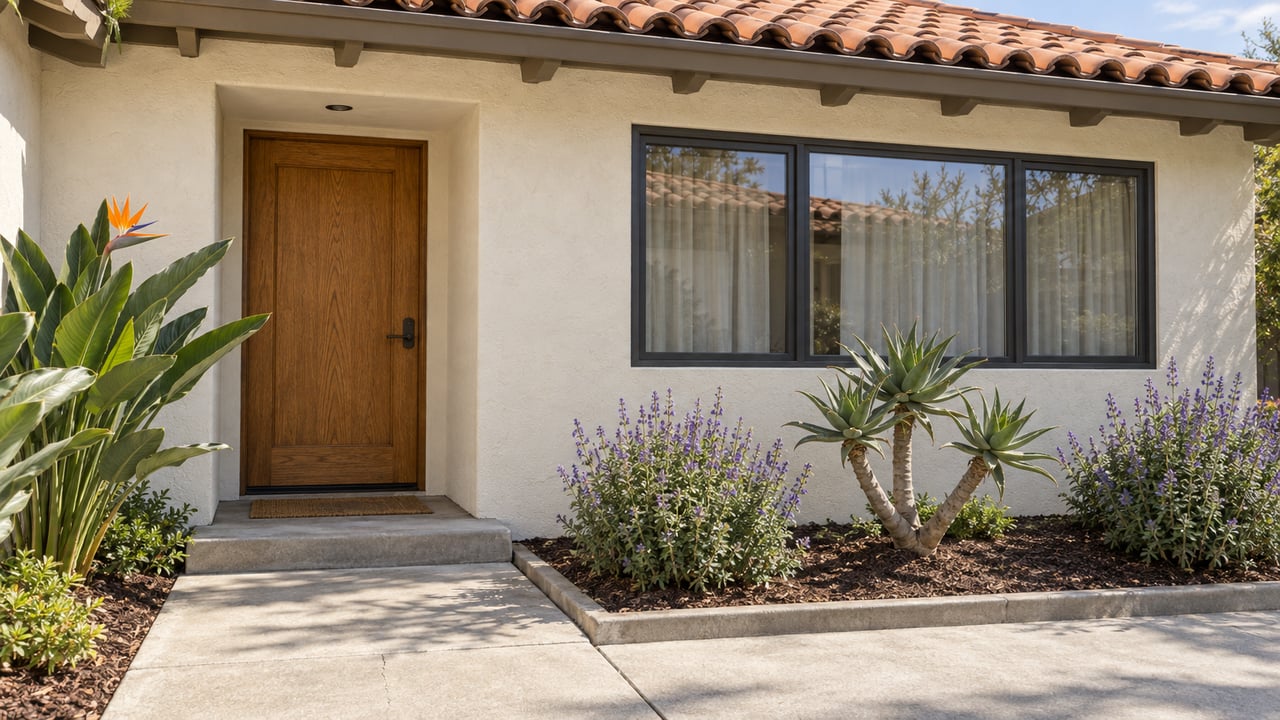
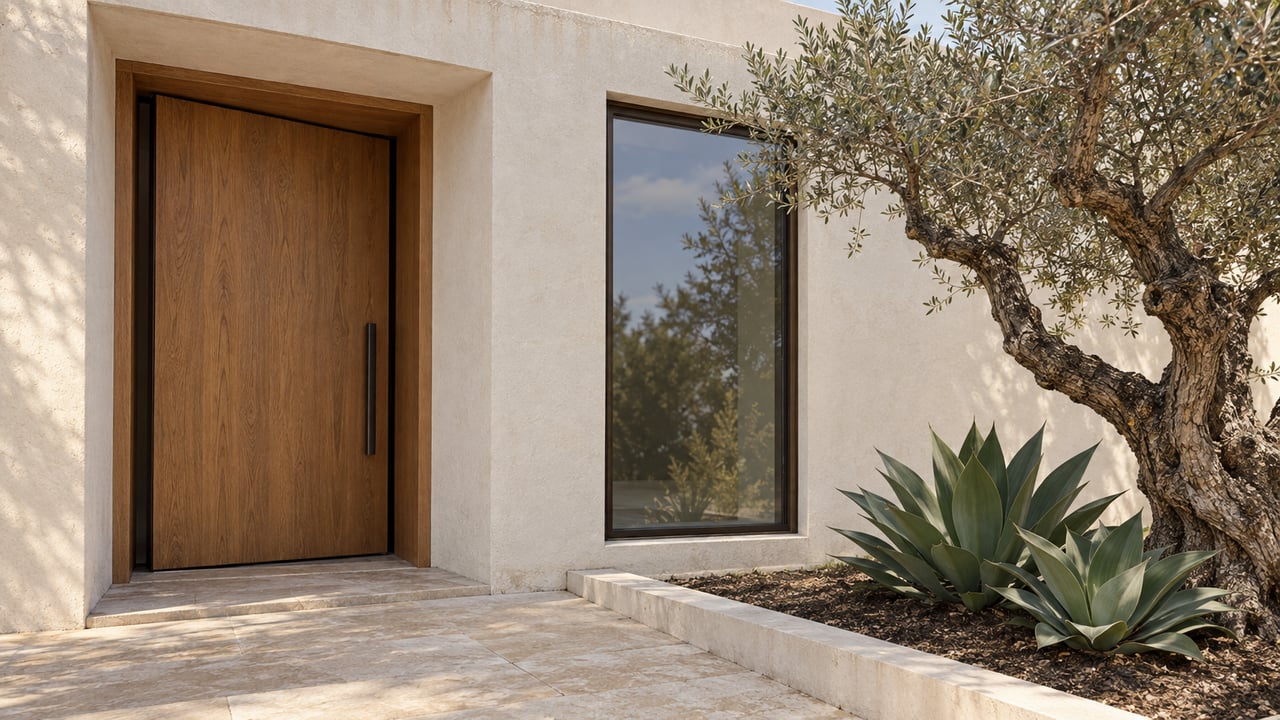
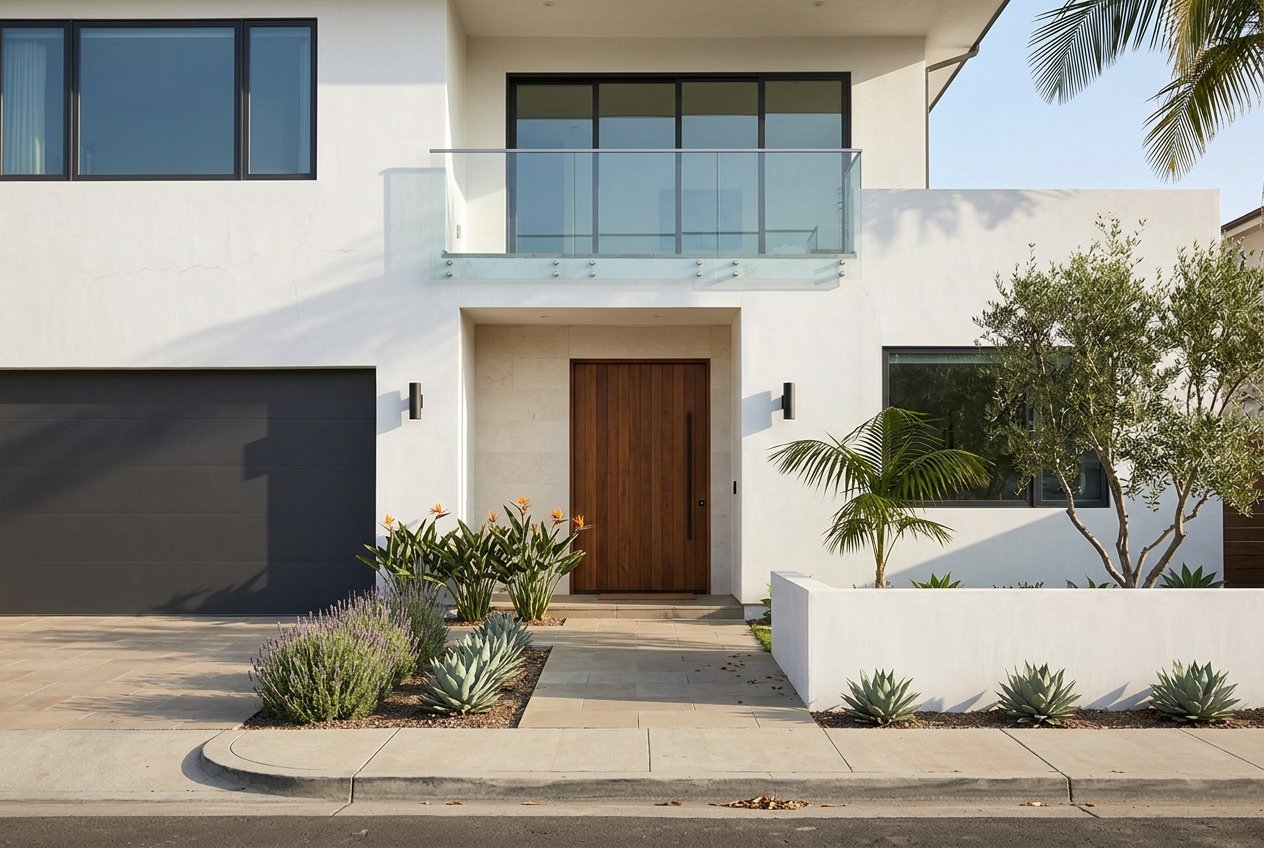
The city’s residential design guidelines point to a mixed architectural identity. They highlight Spanish, Craftsman, Post-War Traditional, Mediterranean, Contemporary, and Neo-Traditional as common styles found in Redondo Beach neighborhoods.
That gives the city a more layered visual character than some buyers expect. As you move through different areas, the neighborhood form and home style can shift in noticeable ways.
What Daily Life May Feel Like
Redondo Beach works for many residents because it blends a beach-city setting with practical conveniences. You can have access to the coast while still being connected to shopping districts, community destinations, and residential neighborhoods that support everyday routines.
The U.S. Census Bureau reports a mean travel time to work of 27.0 minutes. That does not predict your exact commute, of course, but it does offer a useful benchmark for understanding the city’s day-to-day work pattern.
Walkability and access matter here
City planning documents place attention on pedestrian access, bike access, and parking management in places like Riviera Village. That suggests mobility and access are meaningful parts of how residents experience the city’s busiest districts.
If you are choosing between neighborhoods, this is worth thinking about early. Some parts of Redondo Beach are more shaped by walking, biking, and proximity to activity, while others may feel more centered on residential streets and driving patterns.
Tradeoffs to Consider Before You Move
No city is a perfect fit for everyone, and Redondo Beach is no exception. Part of making a smart move is understanding both the appeal and the practical tradeoffs.
Different areas offer different rhythms
The biggest lifestyle choice may be whether you want to be closer to the waterfront or farther inland. South Redondo often offers a more beach-oriented atmosphere, while North Redondo tends to feel more residential and tied to inland commercial anchors.
Neither is inherently better. The right fit depends on whether you want your daily routine shaped more by coastal activity, quieter residential patterns, or a balance of both.
The waterfront is evolving
One important change to watch is along the waterfront itself. The city’s 2024 Land Use Element says the AES generating station officially closed on December 31, 2023, and that AES and the waterfront will need focused planning going forward.
In practical terms, that means part of the waterfront experience is still evolving. Even so, the city is trying to preserve the core character of the beach, harbor, and pier area.
Who Redondo Beach May Appeal To
Redondo Beach can appeal to a wide range of buyers because it offers more than one lifestyle within the same city. If you want outdoor access, recognizable neighborhood districts, and a mix of housing options, it checks a lot of boxes.
It may be especially worth a closer look if you are looking for:
- A coastal city with both waterfront and inland residential areas
- Walkable destinations such as Riviera Village
- Access to The Strand, bikeways, parks, and harbor areas
- A housing mix that includes condos, townhomes, apartments, and detached homes
- A South Bay location with practical shopping and dining anchors built into daily life
Final Thoughts on Living in Redondo Beach
Living in Redondo Beach is less about one single lifestyle and more about choosing the version of the city that fits you best. Some people are drawn to the waterfront energy of South Redondo, while others prefer the more residential feel of North Redondo.
What stands out most is the balance. Redondo Beach combines beach access, outdoor recreation, neighborhood business districts, and varied housing in a compact coastal city that feels active, livable, and distinct within the South Bay.
If you are considering a move, selling a home, or trying to compare Redondo Beach with nearby South Bay communities, John Morgenstern can help you think through neighborhood fit, property type, timing, and next steps with a calm, local perspective.
FAQs
What is daily life like in Redondo Beach?
- Daily life in Redondo Beach often blends coastal recreation, neighborhood errands, and time in distinct districts like the waterfront, Riviera Village, and inland residential areas.
What is the difference between North Redondo and South Redondo?
- South Redondo is generally more connected to the pier, harbor, marina, beach, and Riviera Village, while North Redondo is described by the city as more inland and primarily residential with major shopping and cultural anchors.
What outdoor activities are available in Redondo Beach?
- Redondo Beach offers access to The Strand, five miles of bikeways, and regional parks including Hopkins Wilderness Park, Seaside Lagoon, and Veterans Park.
What types of homes are common in Redondo Beach?
- Redondo Beach includes single-family detached homes, attached homes, 2 to 4 unit properties, larger apartment buildings, and a small number of mobile homes.
Is Redondo Beach a walkable city?
- Some parts of Redondo Beach, especially areas like Riviera Village and the waterfront, are shaped by pedestrian access and bike access, while other areas may feel more residential and car-oriented.
Is the Redondo Beach waterfront changing?
- Yes. The city says the AES generating station closed on December 31, 2023, and that the AES site and waterfront will require focused planning going forward.