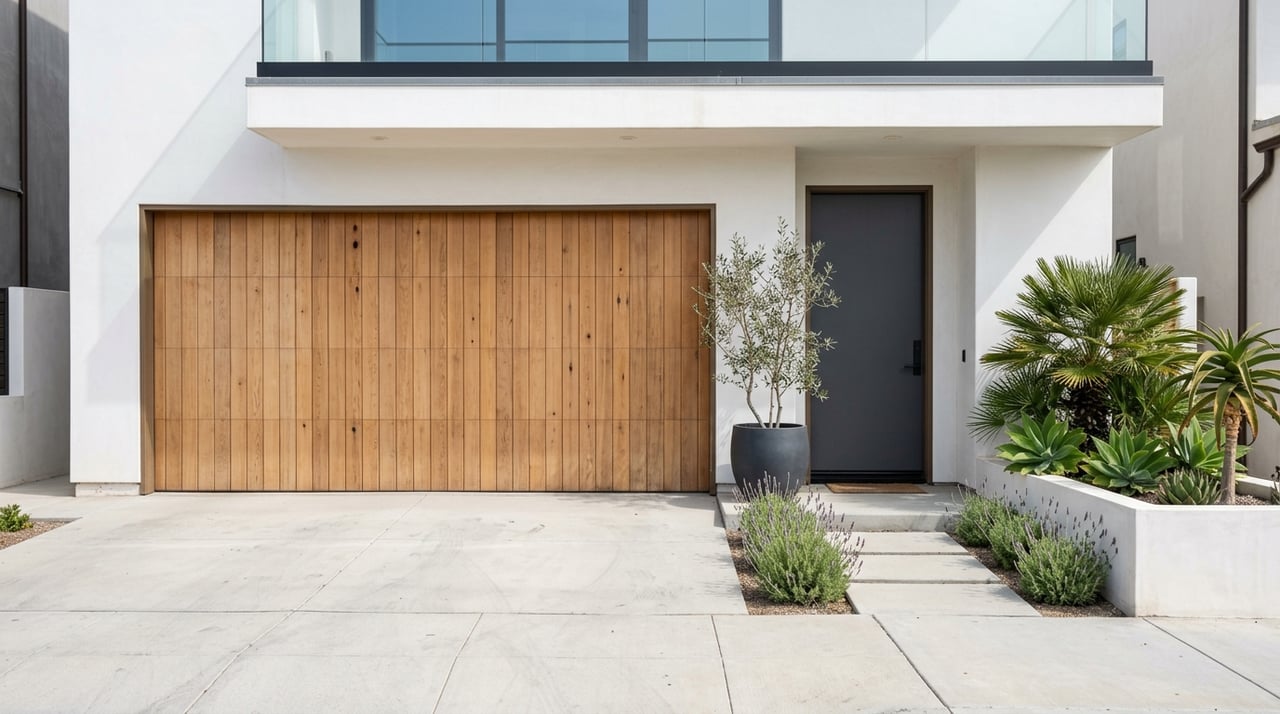
If you are thinking about buying a townhome in Hermosa Beach, you are probably balancing lifestyle goals with some very practical questions. You want beach proximity, smart use of space, and a home that fits how you live, but you also need clarity on parking, HOA costs, and what ownership really looks like. The good news is that Hermosa Beach offers a distinct townhome option for buyers who want coastal living without taking on every aspect of detached-home maintenance. Let’s dive in.
Why Hermosa Beach Townhomes Stand Out
Hermosa Beach is a compact coastal city with about 1.4 square miles, roughly two miles of sandy shoreline, and nearly 20,000 residents. The city also sees more than a million annual beach visitors, which helps explain why location, access, and parking can carry so much weight in a buying decision.
Because the city is small, micro-location matters a lot. A townhome a few blocks from the sand, near the Greenbelt, or west of PCH can feel very different from one farther inland, even if the square footage is similar.
Hermosa Beach also allows single-family attached housing in several residential zones, including R-1, R-1A, R-2, R-2B, and R-3. That means townhomes are not limited to one part of town, so your search may include a range of settings and building styles.
What the Townhome Market Looks Like
As of April 2026, Realtor.com showed 60 homes for sale in Hermosa Beach with a median listing price of $2.499 million and median days on market of 47 days. For townhomes specifically, Redfin showed about 10 active townhomes with a median listing price of $2.6 million, while Zillow showed 11 townhome results.
That snapshot tells you two things. First, inventory is limited. Second, townhomes in Hermosa Beach typically sit in a price range that reflects the city’s strong coastal demand and scarce supply.
What Hermosa Beach Townhomes Usually Offer
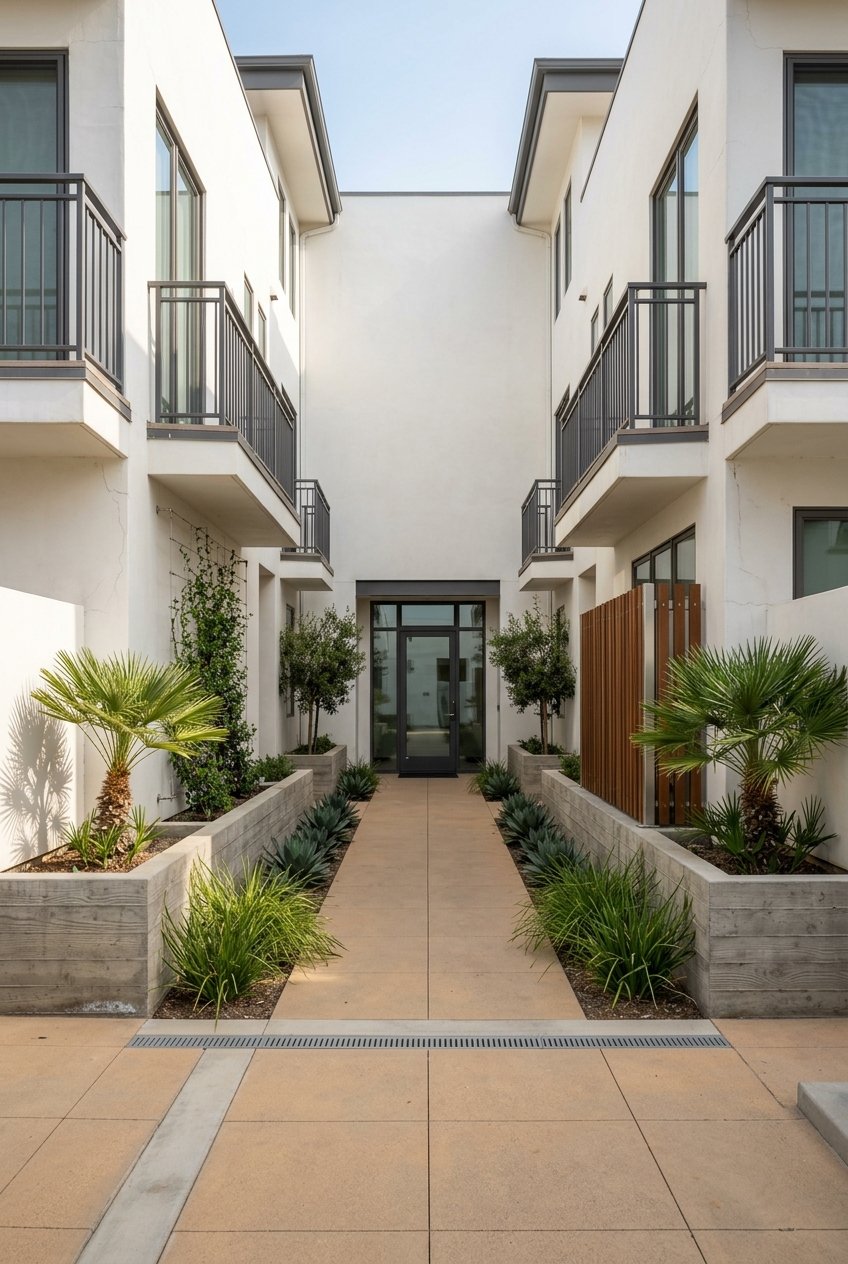
In Hermosa Beach, many townhomes are two or more stories and are built side by side rather than stacked on top of each other. The California Department of Real Estate notes that “townhome” is an architectural style, not a legal subdivision category, which becomes important when you review ownership structure and maintenance responsibilities.
Current listings show a fairly consistent product mix. You will often see 3-bedroom homes around 2,075 to 2,180 square feet with 2-car garages, 3-bedroom and 3.5-bath layouts around 2,180 square feet, and some larger 4-bedroom options in the high-2,000-square-foot range.
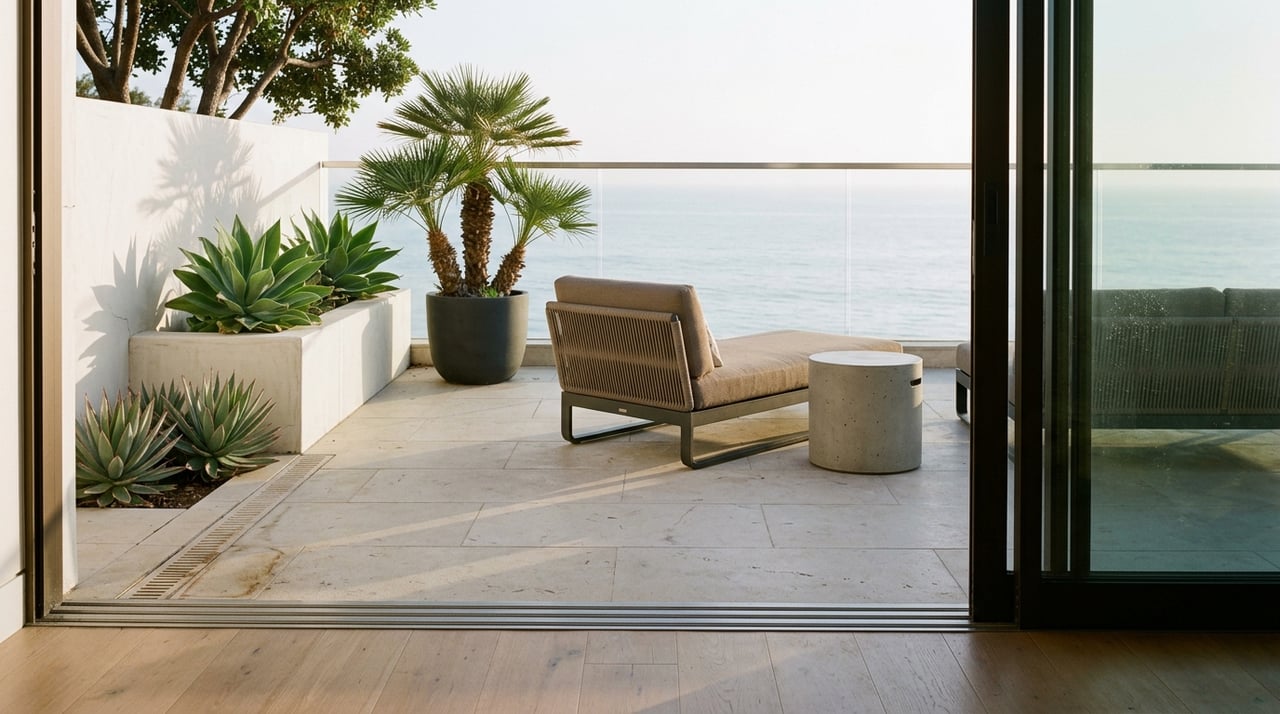
Many homes also highlight features that suit coastal living. Common examples include reverse floor plans, top-floor living spaces, roof decks, terraces, balconies, and ocean-view outdoor areas.
Construction dates can vary, too. Some townhomes date to the late 1980s or 1990s, while others were built in the 2000s or 2010s, so condition, layout, systems, and design style can differ quite a bit from one property to the next.
Why Location Can Matter More Than Size
In Hermosa Beach, square footage is only part of the story. A townhome close to the beach, near the Greenbelt, or west of PCH may command attention because of walkability, coastal access, and the overall feel of the setting.
That means you should weigh location details carefully. Two townhomes with similar bed and bath counts can offer very different day-to-day experiences depending on traffic flow, parking availability, street activity, and distance to the beach.
When you tour homes, think beyond the finishes. Pay attention to where guests might park, how easy it is to get in and out, and what the surrounding blocks feel like at different times of day.
Parking Is a Big Deal
In a beach city like Hermosa, parking is not a small issue. The city says public parking is limited, rates apply in lots and metered spaces, residential permits are only available within the impacted parking area, and permits do not guarantee a space.
The city also limits residential permits to three per year per residence, with a possible fourth permit by affidavit. In addition, vehicles may not remain in the same space for more than 72 hours, and driveway permits are issued only to single-family residences, not multiple-dwelling parking spaces.
For townhome buyers, this makes deeded and usable parking extremely important. You will want to confirm whether the parking is private, assigned, tandem, deeded, or considered exclusive-use common area.
That distinction matters because parking that looks straightforward during a showing may be governed differently in the project documents. If parking is a high priority for your household, make sure the ownership and use rights are clear before you move forward.
Understand the HOA Before You Buy
If you buy a townhome in a common-interest development in California, you automatically become a member of the HOA. The HOA typically uses CC&Rs, bylaws, and rules to govern how the property is used, maintained, and funded.
This is where townhome ownership can get more complex than it first appears. Two homes may look similar from the street, but their monthly dues, reserve strength, maintenance obligations, and future special assessment risk can be very different.
Before closing, review the HOA documents carefully. Key items include:
- CC&Rs
- Bylaws and rules
- Annual budget report
- Reserve summary
- Insurance summary
- Any disclosures regarding special assessments or reserve funding
Under California law, annual budget reports are required 30 to 90 days before the end of the fiscal year. Reserve inspections are also required at least once every three years in qualifying associations, and requested disclosure documents must be delivered within 10 days after written request.
Maintenance Responsibility Can Vary Widely
One of the biggest misconceptions about townhomes is that ownership structure is always the same. It is not. Because “townhome” is a style rather than a legal category, the division of responsibility between the owner and the HOA can vary from project to project.
In one community, the HOA may handle more of the exterior. In another, the owner may be responsible for items like roof, siding, or other exterior components. The only reliable way to know what is covered is to read the governing documents.
This is a major part of your real monthly cost, even if it does not show up in the list price. A lower HOA fee is not always better if the reserves are thin or if future repairs may fall more heavily on owners.
Coastal Rules Matter for Future Plans
If you are buying with remodeling or expansion in mind, Hermosa Beach’s coastal rules deserve early attention. The city says its coastal zone covers about 43% of the city and extends inland to Ardmore Avenue.
In that area, new development or projects that increase floor area or height by more than 10 percent, intensify or change use, or affect coastal resources may require a Coastal Development Permit after city concept review. For buyers, that means future plans should be checked early, not after closing.
Even if a townhome seems like a strong candidate for upgrades, the approval path may shape what is realistic. That is especially true in a city where land use and coastal considerations have an outsized impact.
Short-Term Rental Income Is Limited
If part of your buying strategy involves short-term rental income, Hermosa Beach has an important rule to know. The city prohibits residential rentals of less than 30 consecutive days.
That means a townhome here is generally not a fit for a vacation-rental style ownership plan. If rental flexibility matters to you, make sure your expectations align with city rules and any HOA restrictions.
A Smart Buying Checklist for Hermosa Beach Townhomes
When you compare properties, it helps to look at more than photos and floor plans. Use a checklist like this to stay focused on the details that matter most:
- Confirm the exact parking setup and ownership rights
- Review HOA dues, reserves, and any known special assessments
- Check what the HOA maintains versus what you maintain
- Ask whether the property sits within the coastal zone
- Consider whether future remodel plans may need extra review or permits
- Verify whether the layout fits your lifestyle, especially if it has a reverse floor plan
- Compare micro-location, not just square footage
- Review rental rules at both the city and HOA level
The Bottom Line on Buying a Townhome in Hermosa Beach
Buying a townhome in Hermosa Beach can be a smart way to enjoy coastal living with strong space efficiency, appealing layouts, and access to one of the South Bay’s most sought-after beach communities. At the same time, this is a market where details matter, especially when it comes to parking, HOA structure, maintenance obligations, coastal permitting, and rental limits.
If you approach the process with a clear eye on both lifestyle and property mechanics, you can make a more confident decision. And in a small, high-demand city like Hermosa Beach, that kind of preparation can make all the difference.
If you are considering a townhome purchase in Hermosa Beach and want local guidance on property fit, neighborhood tradeoffs, and the buying process, connect with John Morgenstern.
FAQs
What should you know about parking when buying a Hermosa Beach townhome?
- Parking should be reviewed carefully because public parking is limited, residential permits do not guarantee a space, and townhome parking may be deeded, assigned, tandem, private, or exclusive-use common area.
What documents should you review before buying a Hermosa Beach townhome with an HOA?
- You should review the CC&Rs, bylaws, rules, annual budget report, reserve summary, insurance summary, and any disclosures about special assessments or reserve funding.
Can you use a Hermosa Beach townhome as a short-term rental?
- Hermosa Beach prohibits residential rentals of less than 30 consecutive days, so short-term vacation-style rental use is limited.
Do all Hermosa Beach townhomes have the same maintenance responsibilities?
- No, maintenance responsibility can vary by project, and the governing documents are the best way to confirm whether the owner or HOA handles items like roof, siding, and other exterior components.
Why does the coastal zone matter when buying a townhome in Hermosa Beach?
- The coastal zone covers about 43% of the city and extends inland to Ardmore Avenue, so some future remodels, expansions, or changes in use may require additional city review and a Coastal Development Permit.